Dalston Kingsland removals guide for narrow Victorian terraces
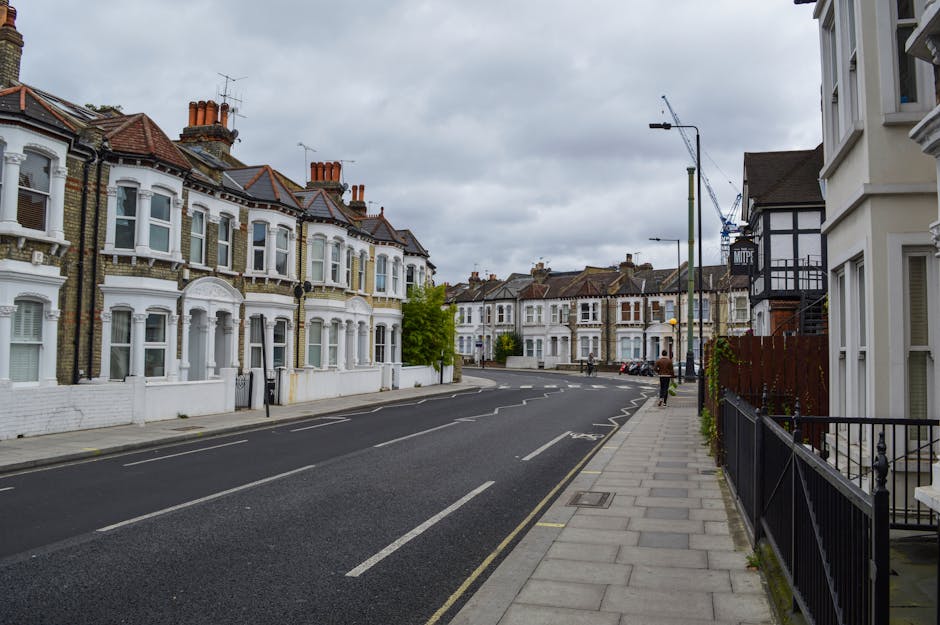
Moving out of a narrow Victorian terrace in Dalston Kingsland can feel a bit like solving a puzzle in a hallway. You have stairs that turn just when you need them not to, front doors that don't quite open wide enough, and neighbours, bikes, bins, railings, and parked cars all competing for space. Truth be told, that is exactly why a Dalston Kingsland removals guide for narrow Victorian terraces is useful: it helps you plan for the awkward bits before they become stressful bits.
This guide walks you through the realities of moving in and out of compact East London terraces, from access checks and packing strategy to parking, storage, and choosing the right moving support. If you are trying to avoid chipped paint, blocked hallways, and that one sofa that looks perfectly normal until it reaches the landing, you are in the right place.
For readers who want a broader picture of the company behind the local service, you can also look at our about us page. And if you are already comparing support options, it helps to understand how a man and van in Hackney can differ from a larger team for heavier or more complicated moves.
Table of Contents
- Why Dalston Kingsland removals guide for narrow Victorian terraces Matters
- How Dalston Kingsland removals guide for narrow Victorian terraces Works
- Key Benefits and Practical Advantages
- Who This Is For and When It Makes Sense
- Step-by-Step Guidance
- Expert Tips for Better Results
- Common Mistakes to Avoid
- Tools, Resources and Recommendations
- Law, Compliance, Standards, or Best Practice
- Options, Methods, or Comparison Table
- Case Study or Real-World Example
- Practical Checklist
- Conclusion
- Frequently Asked Questions
Why Dalston Kingsland removals guide for narrow Victorian terraces Matters
Narrow Victorian terraces are charming, no doubt about it. They have character, original features, and that very London feeling of being close to everything. But they were never designed with modern furniture, stacked wardrobes, American-style fridge freezers, or a six-person family move in mind. So the move itself becomes less about brute force and more about planning, order, and a little local common sense.
In Dalston Kingsland, the usual pain points are predictable: tight front steps, steep internal stairs, slim hallways, low ceilings on the upper floors, and limited space to stage boxes outside. Add in a busy road or a shared entrance, and suddenly your moving day can become a traffic management exercise. Not exactly glamorous, but manageable.
This matters because the smallest access issue can create the biggest delay. A wardrobe that will not turn on the landing, for example, can hold up the whole schedule. A sofa that looked fine when measured across the living room may need a second route, maybe even partial dismantling. And if you are moving during a school run, weekend brunch rush, or one of those half-dry London mornings where everyone is just slightly grumpy, timing becomes part of the job.
Local knowledge helps. So does a realistic plan. That is why many people combine practical prep with guidance from a Hackney removal company that understands terrace access, stair carries, and the sort of parking restrictions that can trip up a move before the van even arrives.
How Dalston Kingsland removals guide for narrow Victorian terraces Works
At its core, moving from a narrow Victorian terrace works best when you treat it as a sequence of small tasks rather than one giant event. You check access, reduce bulky items, package the fragile things properly, choose the right vehicle, and keep the loading route clear. Sounds obvious. Yet most moving stress comes from missing one of these steps.
Start with the property itself. Measure the front door, the internal stairs, the tightest corner, the height of the banister, and the width of any landing. Then look at the furniture you own and ask a blunt question: will this actually make the turn? A measured answer is worth more than hopeful guesswork, to be fair.
Next comes the street. Can a van stop safely outside? Is there space for loading without blocking the road? Will you need short-term parking arrangements or simply a fast, well-timed load? Even if your move is small, those details can determine whether the day feels smooth or messy.
Then there is the packing phase. In terrace moves, good packing is not just about protection; it is about shape and stackability. Boxes of a consistent size are much easier to carry down staircases than a random pile of mixed containers. If you need help getting organised before move day, a service such as packing and boxes support in Hackney can save a lot of faffing about.
Finally, the move itself needs a clear order. Large items first, fragile items later, and nothing loose lying around the hallway. A good crew will load in a sequence that reduces backtracking and keeps the narrow spaces as open as possible. Small system, big difference.
Key Benefits and Practical Advantages
When you plan properly for a narrow Victorian terrace move, the benefits show up everywhere. Not in a dramatic way. More in the quiet relief of things not going wrong.
- Less damage risk - careful measurements and the right wrapping reduce knocks on plasterwork, doors, floors, and furniture edges.
- Faster loading - when items are packed in the right order, the crew does not waste time re-shuffling boxes on the staircase.
- Better use of labour - a small terrace can still take a surprising amount of effort if items are awkward, so good planning helps the team work efficiently.
- Less pressure on move day - the house feels calmer when there are fewer "where does this go?" moments.
- Lower chance of last-minute storage panic - if something will not fit, you can deal with it before the van is outside.
There is also a hidden benefit that people often overlook: you begin your new place with more order. If the move has been organised properly, boxes are labelled, rooms are planned, and the first evening is less chaotic. You can actually find the kettle. Which, after a day of moving, is nearly spiritual.
For bigger or more complex home moves, it can help to compare support options across the local area, including Hackney removals services and furniture removals help in Hackney when heavy or awkward pieces are the main problem.
Who This Is For and When It Makes Sense
This guide is for anyone moving in or out of a narrow terrace in Dalston Kingsland, but it is especially useful if your move includes any of the following:
- a top-floor bedroom with steep stairs
- large furniture that has to pass through awkward corners
- a shared entrance or tight front path
- limited street parking or a busy loading area
- an end-of-tenancy deadline with no room for delays
- students, sharers, first-time buyers, or renters moving with a small crew
It also makes sense if you are deciding whether to hire a full removal team or a simpler man with a van service. Smaller moves can be handled efficiently with the right vehicle and a few careful hands. Larger households, however, usually benefit from a more structured removals setup.
If you are moving out of the area altogether, storage can become part of the plan. That is often true for people waiting on exchange dates, decorating delays, or short overlaps between tenancies. In those cases, a removals and storage option in Hackney can buy you breathing room without turning the whole process into a scramble.
Step-by-Step Guidance
Here is the practical version. Not the polished brochure version. The version that actually works in a narrow terrace.
- Walk the route from street to room. Measure the front step, door frame, hallway bends, stair width, and any tight corners. If the sofa or bed base cannot make the turn, know that early.
- Sort furniture into three groups. Keep, dismantle, or remove. Be honest. That shelving unit from six years ago may be doing more emotional work than practical work.
- Pack by room and size. Put heavier items in smaller boxes and lighter soft items in bigger ones. Mixed-size boxes are clumsy on stairs.
- Label clearly. Mark each box with room, contents, and whether it is fragile. Simple labels save time when everyone is tired and slightly hungry.
- Create a loading order. Place bulky, sturdy items first, then boxes, then delicate items. In tight terraces, order matters more than people think.
- Reserve a clear landing zone. Even if it is only for ten minutes, you need a space where the van team can stage items safely.
- Protect the property. Use blankets, cardboard, or floor coverings where needed. Freshly painted Victorian skirtings do not forgive carelessness.
- Leave yourself a first-night box. Kettle, mugs, chargers, toiletries, medication, basic snacks, and clean clothes. Your future self will thank you.
If your move includes a work setup or studio equipment, it can be worth looking at specialist support like office removals in Hackney. The same access issues apply, only with more cables and far more questions about who packed the router. Happens all the time.
Expert Tips for Better Results
Small moves through small spaces reward clever planning. Here are the bits that tend to make the biggest difference.
Disassemble earlier than you think. Beds, dining tables, and some wardrobes are much easier to handle when partly broken down. Do not leave this until the van is waiting outside. That is how people end up removing a headboard with a butter knife and a prayer.
Take photos before dismantling. A quick phone photo of cable setups, shelf positions, or bed fixings can save time later. It is a tiny habit, but surprisingly useful.
Use the staircase as a working zone, not a storage zone. In a narrow terrace, boxes left on steps become hazards fast. Keep the route clear. Always.
Think about weight distribution. Heavy items should be easy to pick up and easy to stack. Overfilled giant boxes are miserable on stairs and often split at the worst moment.
Allow a buffer for access issues. The van may need to park a little further away than planned. A neighbour may be unloading. A bin lorry may appear. London. It happens.
Book help before the deadline pressure kicks in. If you are moving at the end of a tenancy, the safest route is to schedule moving and cleaning services in a sensible sequence rather than cramming everything into one hour. A local team offering end of tenancy cleaning in Hackney can help you hand back the property in better shape, which takes a load off your mind.
A small practical note: in our experience, people almost always underestimate the number of loose items in kitchens, cupboards, and loft spaces. They are like moving-day confetti. Check them early.
Common Mistakes to Avoid
Most moving problems in terrace houses come from a handful of repeat mistakes. Once you know them, they are easy to sidestep.
- Ignoring measurements. "It should fit" is not a moving strategy.
- Overpacking boxes. A heavy box on narrow stairs is awkward, tiring, and more likely to break.
- Leaving cleaning until after the move. Dust, marks, and debris are much easier to tackle when rooms are still empty.
- Forgetting the street layout. A beautiful plan can fail if the van cannot stop safely.
- Not checking storage needs. If one or two pieces will not fit, decide early whether to store or sell them.
- Assuming every item can go through the same route. Sometimes the best way is not the obvious way.
Another common one: people forget how tiring stairs are. A single flight in a Victorian terrace can feel fine on paper. Then you are carrying a mattress, and suddenly it is a whole other story. Not dramatic, just real.
If you want to avoid last-minute chaos, it is wise to compare providers with care and ask the right questions first. There is a useful local guide on questions to ask when hiring a moving company, and it is the sort of thing worth reading before you commit.
Tools, Resources and Recommendations
You do not need specialist kit for every move, but the right tools can make a difficult property feel much more manageable.
| Tool or Resource | Why it helps | Best use in a narrow terrace |
|---|---|---|
| Strong small/medium boxes | Easier to carry on stairs and less likely to split | Books, kitchen items, and mixed household goods |
| Furniture blankets | Protects finishes and reduces knocks | Bed frames, tables, wardrobes, and door edges |
| Stretch wrap | Keeps drawers, doors, and cushions secure | Chests of drawers, sofas, and stacked items |
| Label markers | Saves time when unloading and unpacking | Every room, no exceptions |
| Basic tool kit | Useful for dismantling and reassembly | Beds, curtains, shelves, and fixings |
| Short-term storage | Helps when dates do not line up neatly | Delayed completion, downsizing, or decluttering |
On the service side, a mover who understands local access can be more valuable than one who simply has a big van. The right fit depends on your load size, your staircase, and your schedule. For some households, a team of movers in Hackney is the best option. For others, a leaner setup will do the job well.
If your move gets split over a few days, a self storage option in Hackney can be a sensible bridge between addresses. Not glamorous. Very useful, though.
Law, Compliance, Standards, or Best Practice
There is no single legal rule that solves a terrace move, but there are a few UK best-practice considerations that matter in real life. Parking, access, safe lifting, and landlord or building communication all play a role.
First, check whether any parking or loading restrictions affect your move day. In busy parts of Hackney, the van may need to park legally and safely, even if that means walking items a little further. It is better to plan for that than to improvise. Second, if you live in a rental property, give notice to your landlord or managing agent if access to communal areas is involved. That avoids awkward last-minute friction.
Third, safe handling is not optional. Heavy lifting through narrow stairwells can be risky for both people and property. Good removals practice includes appropriate team size, careful lifting, and sensible use of equipment. In plain English: do not ask two people to do the work of four just because the calendar is tight.
For tenants, keeping the property in a good handback condition is part of the process too. That might mean booking cleaning afterwards, checking for marks, or taking care of carpets and upholstery. If the place needs a proper reset, local support such as domestic cleaning in Hackney or carpet cleaning can make the final handover much easier.
Options, Methods, or Comparison Table
Different moves need different approaches. There is no one-size-fits-all answer, especially in narrow Victorian terraces where access can be the real deciding factor.
| Option | Best for | Strengths | Limitations |
|---|---|---|---|
| Man and van | Small to medium moves, lighter loads | Flexible, efficient, usually simpler to arrange | Less suitable for many large or heavy items |
| Full removals team | Family homes, bulky furniture, complex access | More manpower, better for stairs and awkward pieces | May be more than you need for a very small move |
| Removals with storage | Gap between move-out and move-in dates | Less pressure, useful for staged moves | Requires extra planning and sorting |
| Pack-yourself option | Budget-conscious moves with enough time | Lower cost, full control over packing | More work, more chance of packing fatigue |
For many Dalston Kingsland terrace moves, the best answer is a hybrid approach. Pack what you can, leave the heavy lifting to the right team, and use storage only if you genuinely need it. That is usually the sweet spot.
Case Study or Real-World Example
Here is a typical example. A couple are moving from a two-up, two-down Victorian terrace near Dalston Kingsland. The house has a narrow hallway, steep stairs, and a bedroom landing that barely fits a double wardrobe. They own a sofa, bed frames, a dining table, bikes, several book boxes, and enough kitchenware to make an ordinary flat look under-equipped.
Before move day, they measure the route properly. They realise the wardrobe will not turn on the landing without dismantling, and the dining table legs need removing too. That sounds annoying, but it actually saves time. They pack books into smaller boxes, label everything by room, and clear the hallway the night before. The van parks nearby, the loading route stays open, and there is no crisis when the mattress comes downstairs.
What made the difference? Not luck. Just a few practical decisions made early. They also booked a Hackney moving company that understood the access issues and did not treat the terrace like a standard easy-load property. That detail matters more than people think.
By evening, the couple had their first-night box open, the kettle on, and no smashed frames. A normal moving day, in other words. Which is actually a win.
Practical Checklist
Use this checklist in the week before the move. It is simple, but it catches most of the problems that cause stress later.
- Measure doors, stairs, landings, and the tightest turn in the property
- Check which furniture needs dismantling
- Book the right moving support for your load size
- Confirm van access and parking arrangements
- Pack fragile items separately and label them clearly
- Keep hallways, stairs, and entrances clear
- Prepare tools for reassembly
- Set aside a first-night essentials box
- Arrange storage if dates or space do not line up
- Schedule cleaning if you need a full handover at the end
If you are moving from a rented terrace, it can also help to prepare for the final cleanup properly. A service like Hackney cleaners can be useful when you need the home looking tidy for inspection, not just empty.
Conclusion
Moving from a narrow Victorian terrace in Dalston Kingsland does not have to be a nightmare. It just needs a bit of structure, a realistic look at access, and the right kind of help for the job. The old houses are lovely, but they ask for respect. Measure properly, pack sensibly, protect the property, and do not underestimate the stairs. Simple advice, yes - but it works.
Whether you are moving a few streets away or across London, the smartest moves are the ones that begin before the van arrives. And if you can keep the day calm, even slightly, that is worth a lot.
Get a free quote today and see how much you can save.
For a local team that understands the rhythm of East London moves, from tight entrances to storage and cleaning add-ons, the next step is simply to talk through your plan and make it easier on yourself. One less thing to juggle, that's the goal.
Frequently Asked Questions
What makes narrow Victorian terraces harder to move from?
The main issues are tight staircases, small landings, narrow hallways, and limited staging space outside. Large furniture often needs dismantling or extra care to get through safely.
Should I measure furniture before moving day?
Yes, absolutely. Measure the furniture and the tightest access points in the house. A quick measurement can prevent a sofa, bed, or wardrobe from getting stuck halfway down the stairs.
Is a man and van enough for a Dalston Kingsland terrace move?
Sometimes, yes. For smaller loads or lighter furniture, it can be the right fit. For bulkier households or lots of stairs, a fuller removals team is usually safer and faster.
What should I pack first when moving out of a terrace?
Start with items you do not use daily: books, spare linens, ornaments, seasonal items, and archive paperwork. Leave essentials for last so you can still function during the final days.
How do I protect walls and banisters during the move?
Use blankets, cardboard, or other protective coverings on tight corners and vulnerable surfaces. Also keep boxes and furniture moving in a controlled order rather than rushing.
Do I need storage if my move-in and move-out dates do not match?
If there is even a short gap, storage can remove a lot of pressure. It is especially useful when completion dates shift or when you want to declutter before settling into the new place.
How can I make stair carrying safer?
Use smaller boxes, keep loads balanced, and never block the stairs. If an item is too heavy or awkward, it is better to dismantle it or have extra help than to force it through.
What if my furniture will not fit through the staircase?
Check whether the item can be dismantled before move day. If not, a different route may be possible, but it is much better to find this out early rather than during the move itself.
Should I book cleaning before or after the removals?
Most people find it easier to clean after the furniture has gone, especially for end-of-tenancy work. Empty rooms are faster to clean and much easier to inspect properly.
How far in advance should I arrange a removals team?
The earlier the better, especially if you are moving at month-end or on a busy weekend. Narrow terraces need more planning than a standard easy-access property, so leaving it too late can cause avoidable stress.
What questions should I ask a moving company before booking?
Ask about access handling, parking, loading support, dismantling, insurance expectations, and whether they have experience with narrow stairs and terrace houses. That tells you a lot about whether they are the right fit.
Can I combine removals with cleaning and storage?
Yes, and for many local moves that is the most sensible option. A joined-up plan can reduce handover stress, especially if you are leaving a rented property or waiting for keys at the new one.