E8 Clapton removals guide for stairs and parking restrictions
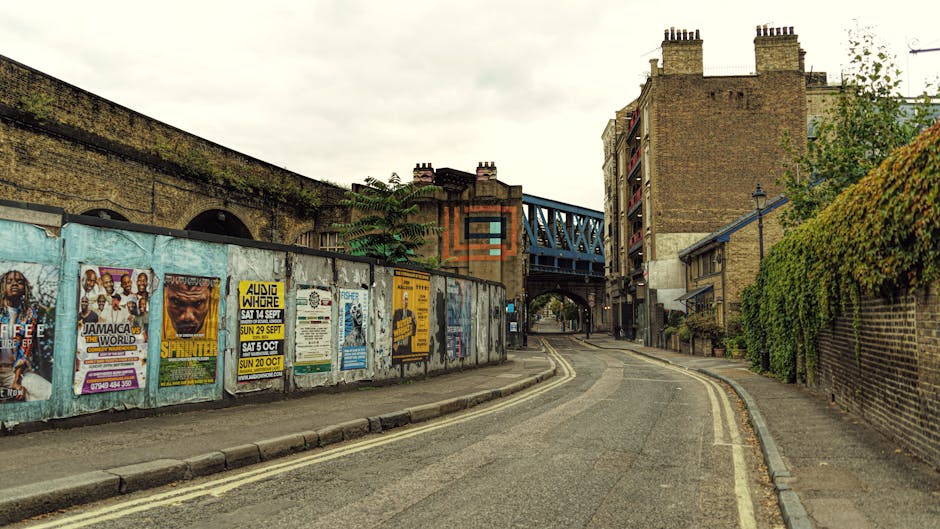
Moving in Clapton can feel simple on paper and then, five minutes later, you are staring at a narrow staircase, a tight landing, and a van that has nowhere sensible to stop. That is exactly why this E8 Clapton removals guide for stairs and parking restrictions matters. If you are moving a flat, a family home, or a small office in E8, the real challenge is often not the lifting itself. It is planning around awkward access, busy streets, shared entrances, and parking that disappears just when you need it most.
This guide walks through how to prepare for a Clapton move properly, what stairs can change about the job, how parking restrictions affect timing, and where people usually trip up. We will keep it practical and local, because truth be told, the difference between a smooth move and a stressful one is often a few well-timed decisions made before the first box leaves the room.
Why E8 Clapton removals guide for stairs and parking restrictions Matters
In Clapton, removals are rarely just about loading a van and driving off. Many homes in E8 sit in converted Victorian buildings, maisonettes, older terraces, or purpose-built flats with shared halls and tighter circulation space. That means stairs can be the biggest physical constraint on the day. If you have ever carried a wardrobe down a turning staircase, you already know the feeling: one wrong angle and suddenly the whole landing becomes a puzzle.
Parking is the other half of the problem. A removals vehicle needs enough space to stop safely, load efficiently, and avoid causing unnecessary disruption. If the van is too far away, every item takes longer to move. If the route is blocked or the driver is forced to double-park, the job gets slower and riskier. In busy parts of Clapton, that can turn a straightforward local move into a day of constant shuffling.
This matters for cost too. More carrying distance usually means more time, more labour, and more fatigue. And fatigue is sneaky; by mid-afternoon, people start taking shortcuts, making rushed lifts, or placing boxes where they should not go. That is usually when the little mishaps happen. Not dramatic ones, just irritating, avoidable ones.
If you are organising a bigger household move, a flat move, or a business relocation, it helps to look at the whole picture early. Services such as flat removals, home moves, and office removals are often shaped just as much by access and parking as by the volume of items being moved.
How E8 Clapton removals guide for stairs and parking restrictions Works
The basic idea is simple: the move should be planned around the building and the street, not the other way around. In practice, that means checking how the team will reach the property, where they can park, how many stair flights are involved, and whether bulky items can make the turns without damage.
Most good removal plans in Clapton follow the same logic:
- assess the property access in advance
- estimate the walking distance from van to front door
- identify stair shape, width, and awkward corners
- check if parking is legal, practical, and close enough
- decide whether extra people, packing support, or a smaller vehicle is the better fit
That last point often gets missed. A bigger van is not automatically better. Sometimes a more manoeuvrable vehicle, or a well-planned man and van arrangement, makes far more sense if the street layout is tight and access is limited. The right choice is the one that saves time without creating a parking headache.
Stairs change how items should be wrapped, carried, and staged. For example, a heavy chest of drawers may need two people and a pause at the landing. A fragile mirror may need a slower route and better padding. A piano, obviously, is in its own category and deserves specialist handling. For that kind of work, piano removals are designed for the weight, balance, and awkward angles that standard furniture simply does not forgive.
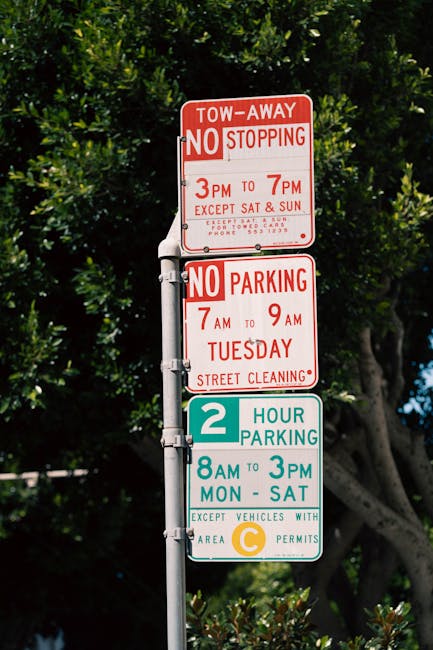
Parking restrictions are usually a timing issue as much as a legal one. If loading restrictions are active, the move may need to start later, finish earlier, or use a legal waiting arrangement that reduces risk. To be fair, a few minutes of planning here can save a whole lot of circling the block later.
Key Benefits and Practical Advantages
There is a real advantage to treating stair access and parking as part of the removals plan rather than a nuisance to be dealt with on the day. The benefits are very practical.
- Less time wasted: a van parked sensibly near the entrance reduces carrying distance.
- Lower damage risk: fewer awkward lifts mean less chance of scratched walls, chipped furniture, or strained backs.
- Better scheduling: you can build the day around realistic access times instead of optimistic guesses.
- Reduced stress: when parking and stairs are accounted for, the job feels more controlled.
- More accurate pricing: access conditions are part of what determines labour and vehicle choice.
There is also a hidden benefit that people do not always think about: smoother communication. If you have already told the removals team about the stairs, the basement storage cupboard, the narrow turn in the hallway, and the fact that parking is limited, then everyone arrives with the same expectations. No surprises. No mid-move improvisation. That is worth a lot.
For some customers, especially those balancing deadlines, using same day removals can be helpful, but only if access is understood properly. A rushed booking with poor parking planning is still a rushed booking. Same day does not magically widen a staircase, sadly.
Who This Is For and When It Makes Sense
This guide is for anyone moving in or around Clapton who expects access to be a factor. That includes a lot of people, honestly.
- Tenants moving into or out of a second- or third-floor flat
- Homeowners in terraced houses with narrow internal stairs
- Students moving with boxes, bikes, desks, and a surprising amount of small furniture
- Landlords or letting agents coordinating move-outs
- Businesses planning a street-level or upper-floor relocation
- Anyone with bulky furniture, fragile items, or limited lift access
If you are in a small flat, flat removals are usually the most obvious fit. If you are relocating a workplace, commercial moves need even more careful access planning because time pressure tends to be higher and stair traffic can affect both staff and equipment.
It also makes sense when you are moving items into storage, rather than a new home straight away. In those cases, the route out of the building matters just as much as the destination. A careful plan can prevent accidental damage before the items even reach the truck. And once you have moved once, you do not want to do the painful bit twice.
Step-by-Step Guidance
Here is a simple process that works well for Clapton moves where stairs and parking may slow things down.
- Walk the route from front door to van. Measure the practical carrying path, not just the straight line. Check gates, kerbs, steps, and tight corners.
- Count the stairs properly. One flight is one thing. A split-level staircase with a landing turn is something else entirely.
- Check the parking situation. Is there space directly outside? Are there bay restrictions, timed loading limits, or yellow lines nearby? If the answer is uncertain, assume it needs more planning.
- Sort your biggest items first. Sofas, wardrobes, beds, white goods, and anything awkward should shape the moving strategy.
- Decide what should be dismantled. Flat-pack furniture, bed frames, and some wardrobes move better when partially taken apart.
- Book enough hands. Extra stair carrying is tiring. A move that looks easy in a ground-floor hallway can become slow on the second floor.
- Protect the property. Use covers, door guards, and protective wrapping so walls and bannisters are not scuffed.
- Stage items by category. Keep fragile boxes together, heavy boxes together, and clearly label anything that needs special care.
- Time the move around access. If parking is restricted at certain hours, plan the van arrival window carefully.
- Keep an emergency buffer. A little slack in the schedule helps if a lift breaks, a neighbour is moving a car, or an item needs a second attempt.
That last one matters more than people expect. The day will rarely go exactly to script. And that is fine, as long as the script has room to breathe.
If you are packing as well as moving, it is worth using professional packing and boxes support or full packing and unpacking services if the access is awkward and you want to reduce the number of trips up and down the stairs.
Expert Tips for Better Results
After enough local moves, a pattern appears. The people who prepare for access problems usually have the calmest moving day. The people who assume parking will work itself out tend to get a phone call they were hoping to avoid.
Here are the tips that make the biggest difference.
- Measure the tall items, not just the rooms. A wardrobe may fit the flat but fail at the stair turn.
- Take photos of the staircase and parking area. Even a quick phone picture helps the moving team visualise the setup.
- Clear the stairwell early. Shoes, prams, plant pots, and random storage items are the usual trip hazards.
- Use labels that actually help. "Kitchen - fragile - heavy" is better than just "box 4".
- Separate essentials. Keep kettle, chargers, toiletries, and paperwork easy to reach so you are not hunting through twenty boxes at 9 p.m.
- Protect the floor. Wet weather, muddy shoes, and worn stair carpets are a messy combination.
One of the simplest wins is placing the largest furniture items closest to the exit before moving day. That way the team is not weaving through half-packed rooms. It sounds obvious. People still forget it. Human nature, I suppose.
If you want extra reassurance about handling, look at a provider's insurance and safety approach and make sure their working standards feel clear. The same applies to health and safety expectations. You do not need a lecture. You need confidence that the team is organised and careful.
Common Mistakes to Avoid
The most common mistakes are rarely dramatic. They are the small, ordinary ones that create avoidable friction.
- Assuming parking will be available. In a place like Clapton, that is often optimistic.
- Underestimating stair difficulty. A stairway with a turn is much harder than straight stairs.
- Leaving bulky items assembled. That can make them impossible to manoeuvre safely.
- Not telling the removals team about access issues. They cannot plan around what they do not know.
- Forgetting neighbour access. Shared entrances and hallways can be busy at the worst possible moment.
- Packing heavy boxes with no logic. A box may look fine until you try lifting it down several flights.
Another one: booking a vehicle that is too large for the street. It happens. A big truck sounds efficient until it meets a narrow road, poor turning space, and a parking restriction. A more flexible vehicle can sometimes be the smarter choice, especially for mixed-access properties. If you need a smaller setup, options like a removal van or man with van can be more practical than overcommitting to a larger vehicle.
Tools, Resources and Recommendations
You do not need a warehouse of equipment to manage a Clapton move well, but a few practical tools help a lot.
- Tape measure: useful for checking furniture dimensions against stair width and door openings.
- Furniture blankets and wraps: protect items from scuffs on railings and walls.
- Strong marker pens and labels: make box handling much easier on the day.
- Door protectors: reduce damage at busy pinch points.
- Basic toolkit: for bed frames, shelving, and quick dismantling.
- Reusable crates or sturdy boxes: especially useful for books, crockery, and office files.
For larger jobs, it can help to combine removal support with the right vehicle and loading plan. If your move has a lot of furniture or multiple destinations, services such as furniture removals and removal services can provide a more complete setup than doing everything piecemeal. For heavier or more complex loads, a moving truck may be the better choice, provided the street access supports it.
If you do not need a full truck, the flexible middle ground is often a good fit. Many local customers prefer a smaller vehicle and a hands-on loading approach, especially for short moves within Hackney. It is less dramatic, less wasteful, and often easier to live with on a tight street. Which, let's face it, is most of Clapton on a busy weekday.
Law, Compliance, Standards and Best Practice
Parking restrictions and street access are not just practical considerations; they can also have compliance implications. In plain English, that means the move should be arranged so that vehicles are parked legally, loading is carried out safely, and other road users are not put at unnecessary risk.
Best practice usually includes the following:
- using legal parking and loading arrangements where available
- keeping clear access for pedestrians and neighbouring properties
- avoiding unsafe lifting or carrying techniques
- protecting the building from avoidable damage
- making sure fragile or heavy items are handled by enough people
For households, that means sensible planning and good communication. For businesses, it means adding a bit more structure, especially if staff, customers, or building managers are involved. If you are organising an office relocation, the access plan should be more formal because delays can affect the rest of the working day. That is where office relocation services can be especially useful.
It is also worth checking the provider's general standards. A proper terms and conditions page should make responsibilities clear, while pricing and quotes should explain how access issues may affect the estimate. Clearer is always better here. Surprises are fun in some parts of life, just not on moving day.
Where disposal or downsizing is part of the move, environmental responsibility matters too. If you are clearing out items before departure, a service with a genuine approach to recycling and sustainability can help you reduce waste and avoid last-minute dumping decisions that feel rushed and messy.
Options, Methods and Comparison Table
The right moving setup depends on the building, the street, and how much you are moving. Here is a simple comparison to help you think through it.
| Option | Best for | Strengths | Watch-outs |
|---|---|---|---|
| Man and van | Small to medium moves, easy-to-manage loads | Flexible, practical, often better for tight Clapton streets | May need multiple trips if the load is larger than expected |
| Removal van | Local household moves with limited parking | Good balance of size and access | Needs thoughtful loading if stairs are involved |
| Moving truck | Large moves, fuller properties, more furniture | Higher capacity, fewer journeys | Harder to park near narrow streets or restricted bays |
| Full removals team | Busy homes, flats, or complex access | More hands, smoother coordination, less strain on you | Usually needs the most advance planning |
If the move is straightforward but you have awkward stairs, a smaller vehicle plus good labour can be ideal. If the access is wide and the job is large, a larger setup might be the better fit. For students, short-distance jobs, or shared-house moves, student removals can be a very sensible, lighter-touch option.
Case Study or Real-World Example
A typical Clapton move might look like this: a two-bed flat on an upper floor, no lift, a shared entrance, and a street where parking is limited during the morning. The customer has a sofa, bed frames, a dining table, several boxes of books, and one very stubborn chest of drawers that never seems to fit through the doorway at the first attempt. You know the type.
In that situation, the move usually goes best when the team arrives with a clear plan. One person manages the stair route, another stages items at the door, and the vehicle is positioned as close as legally and safely possible. The sofa is wrapped before moving. The bed is dismantled. Boxes are grouped by weight so nobody is hauling books in an overfilled carton that feels like wet cement halfway down the stairs.
The real win is pace. Because the parking has been thought through and the stairs have been checked, the move does not involve endless pauses or sudden improvisation. The customer gets fewer delays, the team carries less risk, and the day feels orderly. Not perfect, maybe. But controlled. And on moving day, controlled is a lovely thing.
For more complex household jobs, a plan that includes house removals support can take a lot of the pressure off, especially if family schedules, school runs, or building access windows are all in play.
Practical Checklist
Use this checklist a few days before the move. It is simple, but it catches most of the usual problems.
- Confirm the moving date and time window
- Check the staircase shape, number of flights, and any awkward turns
- Measure oversized furniture and note anything that may need dismantling
- Review parking restrictions and loading options on your street
- Reserve the closest practical parking position, if applicable
- Tell the removals team about narrow access, basements, or shared entrances
- Label boxes by room and by weight
- Pack fragile items separately and mark them clearly
- Protect floors, door frames, and bannisters
- Keep essentials and valuables with you
- Arrange help for pets, children, or anyone who should not be in the middle of the action
- Have a backup plan if parking is temporarily blocked
And if you are still sorting the bigger logistics, a good place to start is the provider's pricing and quotes information so you understand how access may affect the final figure. No one likes guesswork when there are stairs involved.
Conclusion
Moving in Clapton is much easier when you treat stairs and parking restrictions as part of the plan from the beginning. That sounds obvious, but in practice it is the difference between a move that feels organised and one that feels like a long, sweaty improvisation with boxes. If you know the stair layout, understand the parking limits, and choose the right vehicle and support level, you can take a lot of pressure out of the day.
The most useful mindset is simple: plan for access first, then pack around that plan. It saves time, reduces damage, and makes the whole move feel more human, which is probably what you want when life is already changing around you.
Get a free quote today and see how much you can save.
If you want a removals team that takes access, safety, and planning seriously, it is worth learning more about the team behind the service before you book. A calm move starts with clear advice, and clear advice makes a real difference.
Frequently Asked Questions
How do stairs affect a removals quote in Clapton?
Stairs usually affect the amount of labour and time needed. More flights, tighter turns, and heavier items can make the move slower, so a quote may reflect the extra effort required.
What parking restrictions should I check before moving in E8?
You should check whether the street has resident bays, loading limits, yellow lines, timed restrictions, or other local parking rules that might affect where the van can stop legally.
Is a man and van service enough for a flat move with stairs?
Sometimes yes, especially for smaller or lighter moves. But if you have a lot of furniture, awkward access, or heavy boxes, a fuller removals service may be more practical.
Do I need to dismantle furniture before a Clapton move?
Not always, but large items often move more safely if partially dismantled. Bed frames, wardrobes, and shelving are common examples. It also helps with tight stair turns.
What if my street has nowhere to park near the building?
That needs to be discussed before the move day. A team may be able to plan for a smaller vehicle, different timing, or a loading approach that keeps the distance manageable.
Can parking issues delay my move?
Yes, they can. If the van cannot stop near the property, loading takes longer. That is why access planning is one of the most important parts of the whole job.
How do removal teams protect staircases and walls?
They may use covers, padding, and careful carrying techniques to reduce scuffs or impact. Good teams also stage items so the stairwell does not become cluttered.
Is it worth booking packing help as well?
If the stairs are awkward or the move is time-sensitive, packing support can save a lot of stress. It also helps reduce the number of loose items being carried up and down.
What is the best vehicle for a restricted Clapton street?
It depends on the load and the road layout. For tighter streets, a smaller, more manoeuvrable vehicle can sometimes be better than a larger truck.
How early should I plan a move with parking restrictions?
As early as you can. Even a few days of planning is helpful, but the earlier you identify access issues, the easier it is to choose the right vehicle and schedule.
Can I still move on a busy weekday if parking is difficult?
Yes, but it may need more careful timing and better coordination. Sometimes moving slightly earlier or later makes a big difference.
What should I tell the removals company before booking?
Tell them about stairs, floor level, lift access if any, parking limitations, heavy items, fragile items, and anything unusual about the building. The more accurate the picture, the smoother the move.